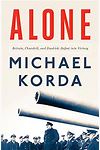
Book review: Alone: Britain, Churchill, and Dunkirk: Defeat into Victory

This was one of those books the library had on display. It is newly out and popular, so I was lucky to get a copy to check out. Being a student of history, I’ve been familiar with the general activities that led up to the British evacuation at Dunkirk, but I’ve always been starved for details. How did the British manage to get all those men out? How many made it? What about the French? Why wasn’t the German army able to stop them? Did the small boats really help all that much? This book is well-researched and does a great job of answering those questions. It also, importantly, introduces the politics–domestic and military–that maneuvered Britain into the situation in the first place. Along the way, Michael Korda weaves a compelling narrative with a information-rich but eminently readable style.

Continue reading “Book review: Alone: Britain, Churchill, and Dunkirk: Defeat into Victory”
Wanderings–Inverness

This is not a travel blog by intent but there are a few interesting spots I thought worth sharing on the Scottish whisky trail.

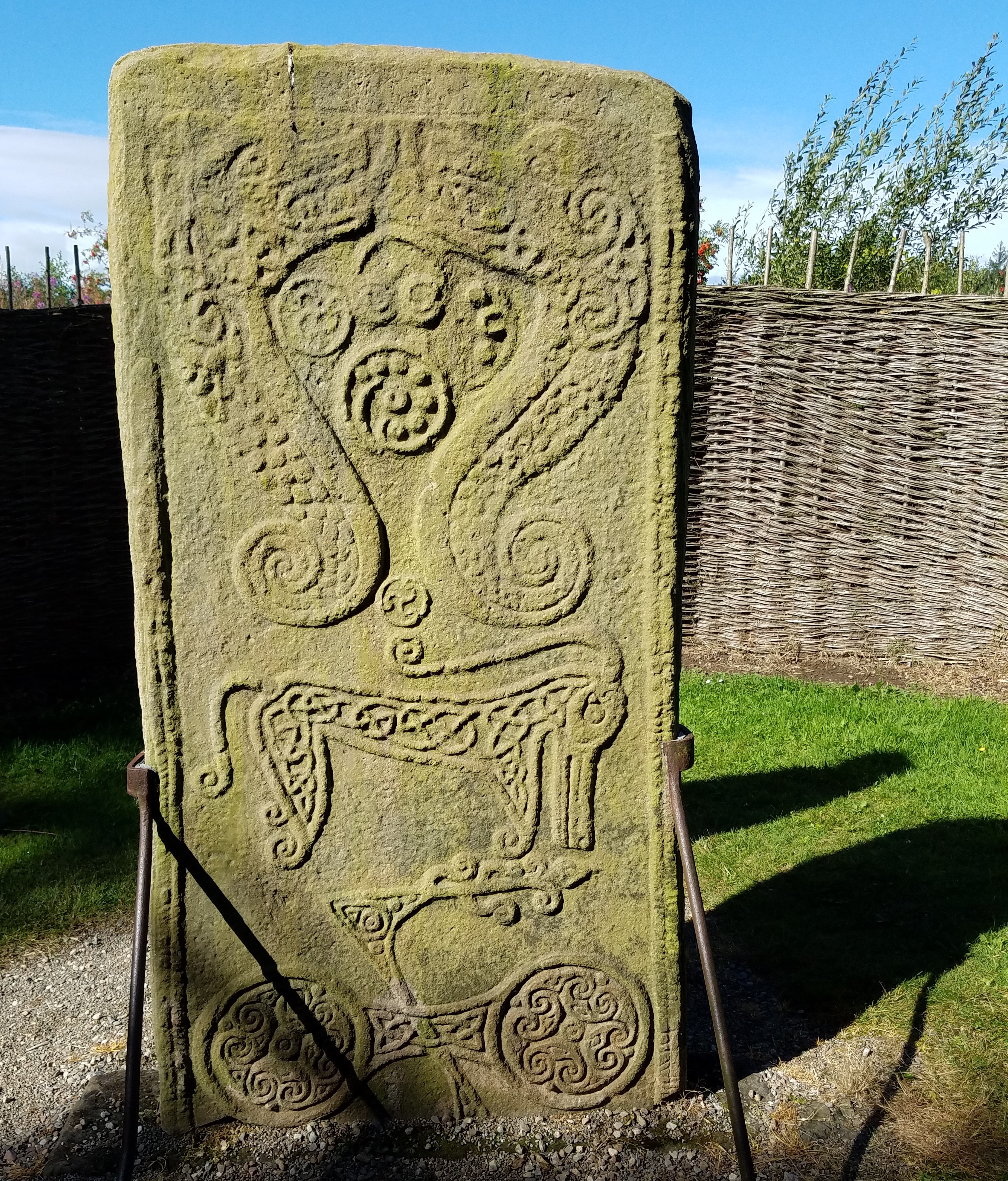
Rodney’s Stone. The wickerwork is to protect it from the coastal winds.

The day after the Aberlour tour, my wife an I left the Speyside region. We had spent two days there, found the town of Aberlour a pretty sleepy place, and even Dufftown, center of the Spey whisky-making region, preternaturally quiet, like an episode of the Twilight Zone. And this was in August–the high season for whiskey tourism, I reckon. Looking for adventure, we headed up towards the more populated areas of Elgin and Inverness — not terribly large towns, mostly two lane roads there.

Continue reading “Wanderings–Inverness”

Distillery Tour: Aberlour

A cute visitor’s center. N.B., click any photo for hi-res.

Aberlour, sited in the town of the same name, caught my eye by the very pretty, old-timey photos of its front gates — such as this one. A really gorgeous little place, their shop (photo to right) evokes an air of Victorian elegance. I have to admit I was taken in. In reality, like any distillery, Aberlour is a factory, albeit one that makes a delightful product. A clean, modern place, there is none of the Victorian funk you might find elsewhere. Although the main range is not one of my favorites, I do enjoy the A’bunadh line and the tasting showed their older expressions in a very good light.

After taking a short break, my wife and I trooped over from the little inn where we had spent the night. I’ll say up front, the experience did not contrast well with that morning’s tour at the Balvenie — what tour could? But they offer a couple experiences we did not get elsewhere, and at the cost (£15), a taste of six expressions. Our guide led us to the main yard and gave us a safety briefing and explanation of the day’s activity. This shot below shows what a compact place it is. I left it at full res, so you can click and spy the ‘Chivas’ van (they are owned by Chivas/Pernod Ricard S.A) and other details.

Continue reading “Distillery Tour: Aberlour”

Distillery Tour: The Balvenie

Visitor’s center, from the rear. N.B., click any photo for hi-res.

Our second tour was at William Grant & Sons in Dufftown. At this site are the Balvenie and Glenfiddich distilleries. Where Glenfiddich is nearly ubiquitous worldwide as ‘the world’s best-selling single malt‘ and a high-volume product (13M liters/year, produced from 32 stills), the Balvenie site next door is William Grant’s craft distillery. The Balvenie retains its own malting floor (producing 10% of its malt, much of which is grown locally), and has its own cooperage—a rarity in the Scotch whisky industry. Their output is less than half that of Glenfiddich—but that is still considerable. In fact, they about double the output of Glenfarclas. You may not see the Balvenie Doublewood, their most common expression, in every bar, but you’ll see it in many upscale spots. Not all of the production from this site goes into Balvenie expressions, some goes into Kininvie, a malt used in Grant’s blended whiskies.

Continue reading “Distillery Tour: The Balvenie”

Book Review: The Golden Notebook

This longish novel by Nobel Laureate Doris Lessing is known as an important feminist work, and that’s why I decided to read it. However, Lessing’s intent was to approach a number of other important subjects, primarily fragmentation of the mind and of society. She certainly swung for the fences; the number of subjects she touches on are too many to mention without driving readers away (I have a list at the end, for the heck of it). From politics (disintegration and rebirth of the British communist party) to existential loci such as the presence of a child as an emotional anchor, to intimately common things like dealing with tampons. The scope of the novel is wide-ranging; so are the settings and characters: along with the protagonist, Anna Wulf, Wikipedia notes 31 characters, all of whom are fully described, fully animated. The two focal points are the protagonist’s early life in Africa during the War (WWII) and her post-war life as a single mother (and Free Woman) in London. Settings are intimate — passages go on for pages often without the characters leaving their apartment. After the African section, primary characters rarely go outside and there are no descriptions of London at all.

Continue reading “Book Review: The Golden Notebook”